
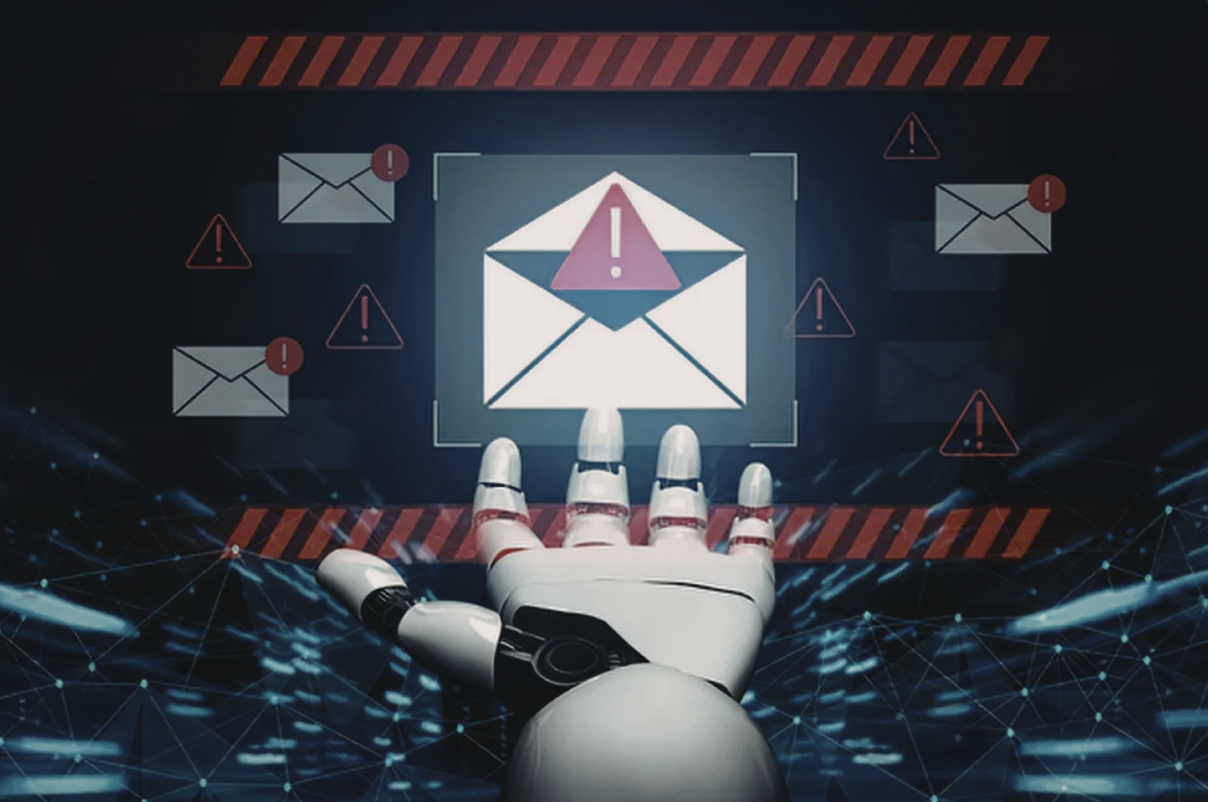
Phishing attacks have long been one of the most common cybersecurity threats facing businesses. But in 2026, phishing has evolved into something far more sophisticated, and far more dangerous.
The rise of artificial intelligence has fundamentally changed how cybercriminals operate. What was once easy to spot is now nearly indistinguishable from legitimate communication.
The Evolution of Phishing Attacks
Traditional phishing emails often contained clear warning signs, poor grammar, spelling errors, and generic messaging.
Today, those red flags are disappearing.
According to recent threat intelligence reports from IBM, attackers are now leveraging AI to generate highly convincing emails at scale.
These messages can:
- Mimic the tone and writing style of executives
- Replicate branding and formatting with precision
- Reference real-world events or internal processes
The result is a new generation of phishing attacks that are far more likely to succeed.
Why This Matters for Your Business
AI-powered phishing dramatically increases both the scale and effectiveness of attacks.
Cybercriminals can now launch targeted campaigns faster than ever, with minimal effort. Even well-trained employees may struggle to distinguish legitimate messages from malicious ones.
This shift renders many traditional defenses, such as basic spam filters and user awareness of obvious red flags insufficient.
The New Reality: Human Error Is Still the Weakest Link
Despite advances in technology, people remain a primary target.
A single click on a malicious link or attachment can:
- Compromise credentials
- Install malware
- Provide attackers with access to critical systems
And because these emails appear legitimate, the likelihood of interaction is significantly higher.
How to Strengthen Your Defense Strategy
To combat modern phishing threats, businesses must adopt a layered approach:
- Advanced Email Security
Implement solutions that use AI and behavioral analysis to detect suspicious messages before they reach users. - Multi-Factor Authentication (MFA)
Even if credentials are compromised, MFA provides an additional layer of protection. - Continuous Security Awareness Training
Employees should be trained to verify requests, especially those involving sensitive information or financial transactions. - Phishing Simulations
Regular testing helps identify vulnerabilities and reinforces training.
For additional guidance, CISA provides practical recommendations for avoiding phishing and social engineering attacks.
Looking Ahead
AI is not just enhancing business operations; it’s also empowering cybercriminals.
As phishing attacks continue to evolve, organizations must move beyond reactive defenses and adopt proactive, intelligence-driven strategies.
How prepared is your team for today’s phishing threats?