
The Sustainability Mandate: Green IT, AI Energy Costs & New Regulatory Pressure (2026)
Why 2026 Is a Turning Point for Sustainable Technology
Cloud computing, hyperscale data centers, and generative AI are driving unprecedented electricity consumption. The International Energy Agency (IEA) warns that global data center energy usage could double by 2026
At the same time, enterprise buyers and regulators are increasing their expectations for carbon visibility and emissions disclosures.
The result? Companies need clearer insight into the true cost of their digital operations; energy, financial, and carbon.
1. AI’s Energy Appetite Is Skyrocketing
Generative AI systems consume vast amounts of electricity due to:
- high-power GPUs
- continuous inference
- cooling-intensive facilities
- growing storage requirements
Research from Stanford’s AI Index highlights rapidly increasing compute demands for modern AI systems. By 2026, up to 40% of new enterprise compute demand is expected to come from AI-driven workloads.
Efficiency is no longer optional; it’s essential.
2. Regulatory Pressure Is Mounting
Sustainability reporting and energy accountability are tightening across the U.S. and globally.
- SEC Climate Disclosure Rule
Public companies will need to report:
-
- emissions
- energy intensity
- climate-related risks
- White House Climate Policy & Energy Initiatives
U.S. climate policy guidance and reporting expectations:
- State-Level Requirements
States like California and New York now require greater transparency into corporate environmental impact. California's environmental and emissions rules continue to influence national standards.
- Global Regulations Affect U.S. Companies
Many businesses must comply with European rules like the Corporate Sustainability Reporting Directive (CSRD).
3. Cloud Providers Are Being Pushed to Go Greener
Major providers now report energy and carbon metrics:
These tools offer visibility, but not full transformation.
Organizations still need to commit to:
- greener cloud regions
- right-sized infrastructure
- carbon-aware scheduling
- renewable-backed compute
- efficient AI workloads
- lifecycle-based hardware management
4. The “Green IT Stack” Is Emerging
To meet sustainability goals, companies are building integrated Green IT ecosystems:
- IT Asset Optimization
Rightsizing servers, eliminating unused workloads, and consolidating systems.
- Sustainable Cloud Architecture
- serverless technologies
- container efficiency
- lower-emission regions
- carbon-aware job scheduling
- AI Efficiency Tools
- model compression
- quantization
- smaller domain-specific models
- inference optimization
- Renewable-Backed Compute
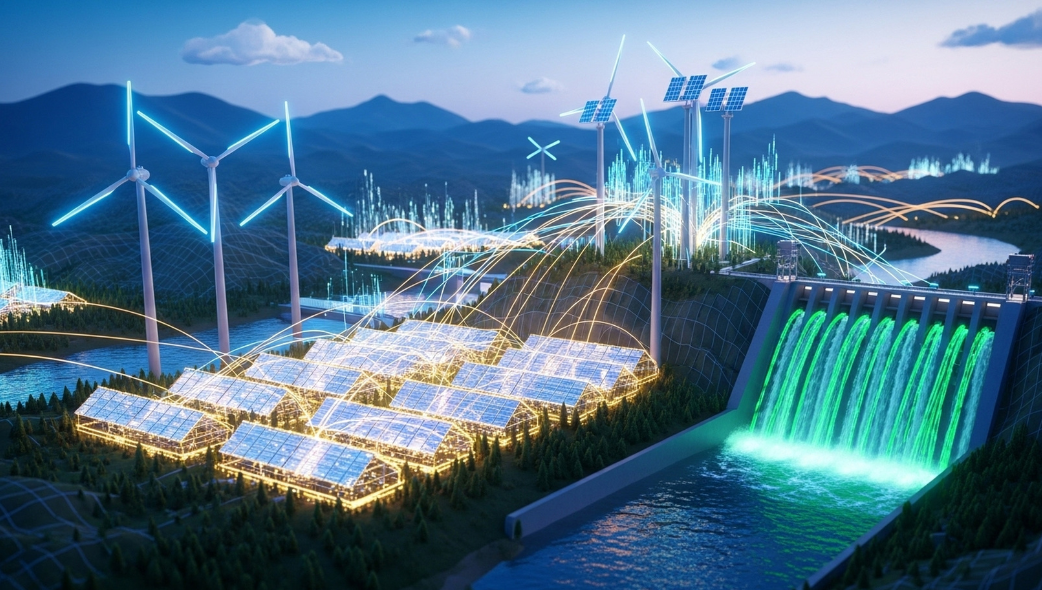
Selecting cloud regions powered primarily by wind, hydro, or solar.
- Automated Carbon Dashboards
Centralized emissions reporting aligned to SEC and global disclosure rules.
5. Leaders Are Facing New Sustainability Questions
Boards, regulators, and customers increasingly ask:
- “What is the energy cost of our AI strategy?”
- “How much of our compute is renewable-backed?”
- “How are we managing carbon from cloud workloads?”
- “Are we prepared for SEC or CSRD reporting requirements?”
Organizations must be ready to defend their digital footprint, with evidence.
6. Practical Actions to Take in the Next 6 Months
a. Map Your Digital Carbon Footprint
Audit:
- cloud consumption
- data centers
- AI energy usage
- network footprint
- hardware lifecycle
b. Build AI Energy Governance
Define limits, budgets, and usage policies for model training and inference.
c. Design Carbon-Aware Cloud Architecture
Use emissions data from AWS, Google, and Microsoft to guide architecture choices.
d. Use Renewable-Backed Compute
Prioritize cloud regions with high renewable penetration.
e. Prepare Early for Sustainability Disclosures
Automate reporting aligned to SEC, CSRD, CPRA, and EPA frameworks.
Sustainability Is a Technology Strategy
As AI accelerates energy use, 2026 is the year U.S. companies must embrace Green IT as a driver of:
- cost reduction
- compliance readiness
- operational resilience
- investor trust
- competitive advantage
The companies that act now will lead the next wave of sustainable innovation.
Ready to reduce costs, lower emissions, and prepare for new compliance rules?
Bespoke Technology Group offers a Green IT Assessment that surfaces your top efficiency opportunities and builds a sustainability roadmap for AI, cloud, and data center operations.